
How to Unclog a Blocked Drain at Home: DIY Plumbing Tips That Actually Work
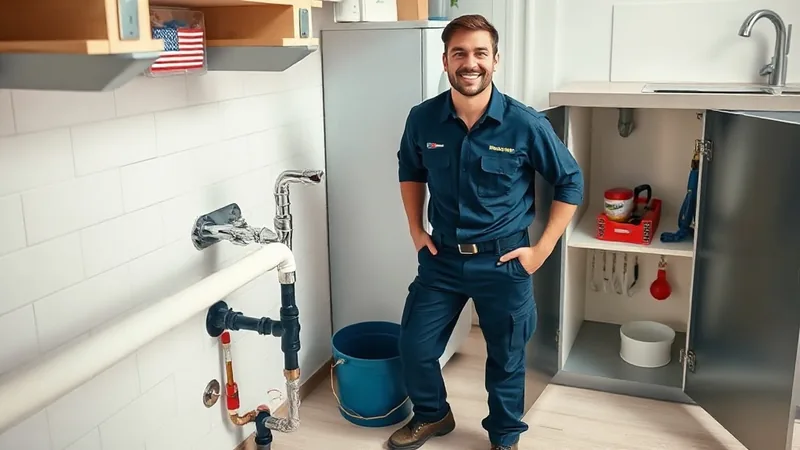
A blocked drain is one of those household problems that never seems to happen at a convenient time. Whether it is a slow-draining kitchen sink, a backed-up shower, or a completely clogged bathroom basin, the frustration is real and the urgency is immediate. The good news is that knowing how to unclog a blocked drain at home can save you both time and money before the situation gets worse.
In this guide, we walk you through practical, proven DIY methods that homeowners in Dubai can use to tackle common drain blockages safely and effectively. From simple household remedies to affordable tools, these tips are designed to help you restore proper drainage without causing further damage to your pipes.
Of course, not every blockage is a DIY job. Some situations require professional attention, and we will help you recognise when it is time to call in the experts. But for the everyday clogs most households encounter, these techniques genuinely work — and they are worth trying first.
Common Causes of Blocked Drains in Dubai Homes
Before reaching for a plunger, it helps to understand what is actually causing the blockage. In Dubai homes, the most frequent culprits include accumulated hair and soap scum in bathroom drains, grease and food particles in kitchen sinks, and mineral deposits from the region's hard water supply. Over time, these materials build up along the inner walls of your pipes and eventually restrict or completely stop water flow.
Outdoor drains can also become blocked by sand and dust, which is particularly common during shamal wind seasons when fine particles settle everywhere. In older buildings, pipe scaling from mineral buildup can narrow the internal diameter of pipes significantly, making them prone to repeated blockages.
Identifying the likely cause helps you choose the right approach. A greasy kitchen drain responds well to hot water and dish soap treatments, while a hair-clogged shower drain often needs a physical removal method. Matching the solution to the problem saves time and prevents you from using the wrong method, which can occasionally make things worse.
How to Unclog a Blocked Drain at Home: Step-by-Step Methods
The boiling water method is the simplest starting point and works surprisingly well for grease-based kitchen blockages. Carefully pour a full kettle of hot water directly down the drain in two or three stages, allowing it to work between each pour. This melts and dislodges fatty deposits clinging to the pipe walls. Avoid this method on PVC pipes, as extreme heat can soften the material — use very warm water instead.
For bathroom drains blocked by hair and soap residue, a drain snake or a simple plastic drain cleaning tool (widely available in hardware stores across Dubai) is highly effective. Insert it into the drain, twist it gently, and pull out the accumulated debris. It is not glamorous, but it works. Following this with a baking soda and white vinegar flush — pour half a cup of baking soda followed by half a cup of vinegar, leave for 20 minutes, then rinse with warm water — can clear any remaining residue and help neutralise odours.
A plunger remains one of the most reliable tools for sink and toilet blockages. Ensure there is enough water in the basin to cover the plunger cup, create a firm seal over the drain, and use strong, rhythmic plunges for about 30 seconds. Release and check if the water drains freely. Repeat as needed. For stubborn blockages that do not respond after two or three attempts with these methods, it is advisable to stop and seek professional help rather than risk damaging your pipes.
When DIY Is Not Enough: Signs You Need a Professional Plumber
Some drain problems go beyond what household tools and remedies can fix. If multiple drains in your home are blocked simultaneously, this is a strong indicator of a deeper issue in your main sewer line — something no amount of baking soda will resolve. Similarly, if you notice gurgling sounds coming from drains, unpleasant sewage smells rising from multiple fixtures, or water backing up into other areas when you flush, you are likely dealing with a serious blockage or a damaged pipe.
Repeated blockages in the same drain are also a warning sign. If you are clearing the same sink every few weeks, there is an underlying issue — perhaps a partial collapse, a tree root intrusion in older properties, or severe scaling — that requires professional diagnosis with proper equipment such as a CCTV drain camera.
Attempting to force a severe blockage with chemical drain cleaners is another common mistake. While these products can provide temporary relief, they are highly caustic and can corrode older pipes, damage seals, and create a more expensive problem down the line. In these situations, calling a qualified plumber is not just the easier option — it is the smarter and safer one.
Frequently Asked Questions
Need Help? Contact Best Plumbers Dubai
Our team is available in Dubai — get a free quote today